
We need a new kind of explorer, a new kind of pathfinder, human beings who, now that the physical world is spread out before us like an open book with the latest geographical mystery solved and the highest mountain climbed, are ready to turn and explore in a new dimension.
Laurens Van Der Post.
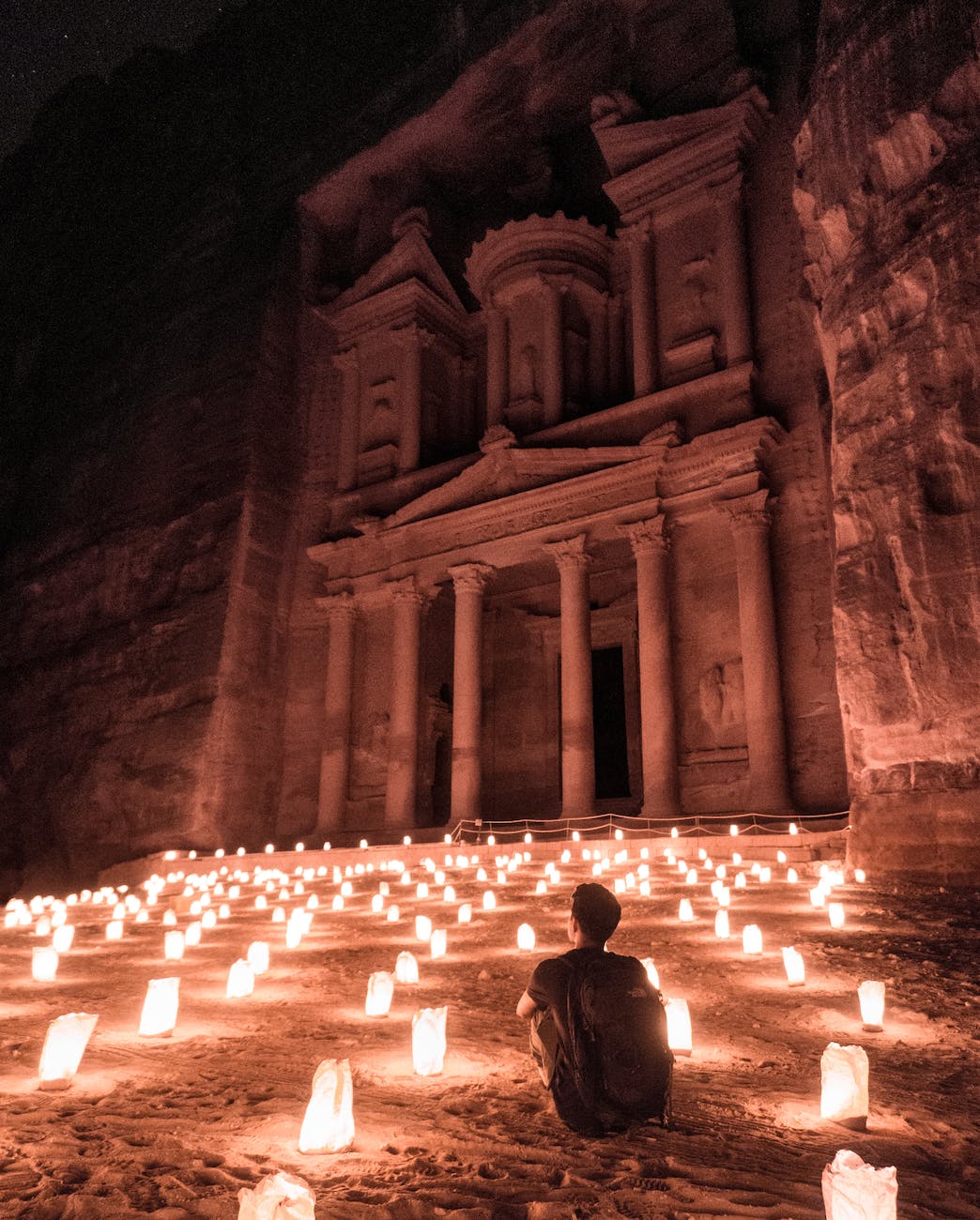
Travel and the external quest for Adventure
The word `adventure’ conjures up images of intrepid explorers in far-off lands. Traditionally, adventure was the privilege of a select few. Only the very wealthy could fund overseas adventures. There were also incredible risks involved. While getting `Delhi-belly’ during a backpacking trip in North India was a nuisance, some traditional adventures cost explorers their health and their lives. Cheap airfares, the internet and social media have opened up the world in ways that people could not have previously imagined.
In an increasingly interconnected world, exciting new places are being discovered at a furious pace. It’s like time and space have become compressed. Recently, I participated in a webinar with people from around the world including a Hindi- speaking woman from Colorado and an Egyptian man who lives in Cairo. The exhilarating rate of discovery comes with the loss of the old definition of adventure. There are fewer, untouched areas of the planet that have been left unexplored and untouched by tourists.
The age of mass travel opens up the world.
As airline travel began to emerge in the fifties and sixties, the possibility of mass travel around the world became a reality. In the 1960’s, Sean Connery as fictional spy, James Bond, catalysed the imagination of the public as he embarked on exhilarating overseas adventures. James Bond movies have long been able to draw on audiences’ desire for escapism, exotic locations, and danger. Airline travel was still very expensive and a novelty for most people. If airline travel was too expensive, movie-goers could relax and enter the imaginary world of agent 007 as he jetted around the world on assignment.
James Bond (and other fictional heroes) encouraged us to discover many of these locations for ourselves. On my first backpacking trip to Udaipur, (South India) in 1999, I stayed in a hostel. I was exploring the possibility of doing community development in North India. From the balcony, I could see the famed Lake Taj Palace. The Taj Palace was one of the locations for filming Octopussy. Every evening, the hotel owners placed a well-worn VHS copy of the movie, Octopussy in the video machine to the delight of tourists.
The threshold for adventure increases.
In an age of mass travel, audiences are more sophisticated and have a higher threshold for adventure. Our thirst and craving for new and original or exotic experiences is difficult to satisfy. Bond movies adapted to satisfy the growing expectations of moviegoers for exotic locations. The most recent Bond movie, `No Time to Die’, was set in multiple countries around the world. Finding exotic locations is a real challenge. There are fewer unknown areas, groups, or localities that have not been exposed to the influences of Western culture or tourists.
During the 1980s, I went to see the movie `The Last Emperor’, with a friend. The movie is based on the story of the last monarch of the Qing dynasty in China during the Japanese occupation in World War 2. I looked around to see my friend, Emily sobbing quietly. After the movie was over, I asked Emily why she was crying. A normally chatty and vivacious person, Emily paused to gather her thoughts. She looked at me and said: `I was crying over the end of an era’. Emily explained that she felt the loss of old-age traditions and exotic locations. A musician once told me: `If you want to get a taste or an experience of traditional music cultures or untouched cultures…you might have better luck in the diaspora s people cling or value their traditional culture more when in a foreign land or new country.
The end of adventure or the beginning of something new?
The absence of undiscovered or novel locations is not the only challenge to traditional notions of adventure. There is also the risk of over-exposure and familiarity. Our innate restlessness, yearning for adventure, and thirst for new experiences can never be fulfilled. Traveling will never totally satisfy a deep desire or longing in our hearts. As a wise man once said, we have “eternity in our hearts,” a restlessness and desire within to be a part of a larger cause or a story bigger than ourselves. The slow demise of traditional notions of adventure presents an opportunity. A challenge to reimagine the concept of adventure.
Life is an adventure: finding adventure in everyday life through self-discovery.

A new breed of explorer has emerged: one who looks within and is interested in self-discovery and learning. Regardless of where they live, the true explorer seeks out new experiences and challenges. There are internal adventures that ask us to go beyond our known or fixed concepts, into dark and unpleasant areas, and confront ourselves before we can break through. On his/her journey, the explorer encounters all of his anxieties, causes that have become strongholds or mental prisons. He must overcome his fear of appearing ‘foolish’ before he can become competent and have a genuine chance of changing jobs or improving his relationships. You can make a simple day adventurous by stepping out of your ordinary routine, trying different things and experiencing life in new ways.
In my next blog post, I will elaborate on why re-imaging Adventure will become more important in the next decade.

 Foolish Times
Great
LikeLike