
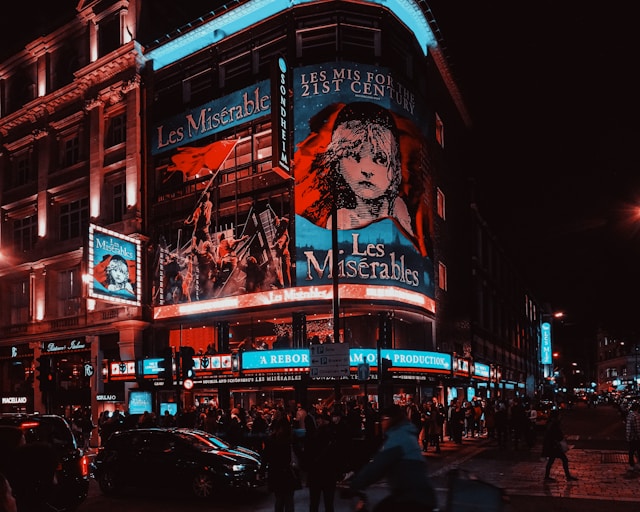
Photo by Samuel Regan-Asante on Unsplash
Les Misérables tells the fictional story of Jean Valjean as he struggles for survival in 19th-century France. The tale unfolds against a backdrop of revolution, injustice, and cruelty. Valjean was imprisoned for stealing a loaf of to feed his extended family. He served a total of 19 years for his repeated attempts to escape. Les Misérables reads like a detective story. The reader follows the twists and turns of the main character’s fortunes, Jean Valjean. Traumatised by his life experience, Valjean hardened his heart and became an intensely bitter and cynical man. Upon his release from prison, the streetwise Jean Valjean undergoes a profound transformation, becoming a successful businessman and town mayor. A past crime still haunts Valjean as the dedicated Inspector Javert relentlessly chases him.
Jean Valjean knows that he could be imprisoned for the rest of his life. This could happen if Javert recaptures him and puts him on trial. It’s a great story that continues to resonate since first published in 1862. Most of us live far from the squalor and poverty of 19th-century France. Yet, Les Misérables still speaks to us directly today. His fictional life story challenges us to think about how we respond to unfairness. How can we grasp opportunities? How far are we willing to go to protect the vulnerable or live according to our conscience? By examining the decisions Valjean makes, we can uncover practical insights for our own journeys. This is especially true in how we forgive and take responsibility. It helps us choose forgiveness over revenge when treated unjustly.
Life is hard and difficulty is part of the path.
Job 5:7 “But man is born to trouble, as the sparks fly upward.”
Jean Valjean was born into a life of poverty and struggle, shaped by societal forces. The author, Victor Hugo, describes him as an illiterate tree pruner who made his living through physical work. A man familiar with tragedy, he was orphaned from a young age as his mother and father died. He had an older sister who was widowed with seven children. Valjean used his pitiful earnings to support his extended family. As a labourer, his livelihood was dependent on the availability of work. Like many people who sell their labour, Valjean was subject to forces beyond his control. As winter approached, there was no work for him. The spectre of starvation haunted his extended family. It is an unpleasant reality that life is unfair. Some people are born into privilege and inherit, through no work on their part, advantages and financial security. Like many of his contemporaries, Valjean was materially poor with limited options.
Orphanhood is a universal experience.
Valjean was orphaned from an early age. The orphan is the ‘outsider’ – the person who has suffered loss and trauma. Some people are literal orphans, abandoned by their parents/guardians. At other times, people experience a sense of orphanhood. They face rejection from their families or communities due to their differences. Orphans have a strong sense of ‘not belonging’ and alienation from the mainstream. You don’t have to be poverty-stricken to feel like an orphan. Sometimes people are `orphaned’ as their families or communities reject them for being different. The truth is more complex and multidimensional. .
Many people now work in cubicles in open-plan offices. Leg irons and manacles are replaced by surveillance and micro-management. Chained to their desks, alienated from their work and with little control over what they do. Psychology tells us that lack of autonomy over work leads to feeling alienated and can lead to ill health. Increasingly, many people lack work or housing. They are locked out of the economy through no fault of their own. Maybe you’re a male. You are constantly told you live in a male-dominated, patriarchal society. And yet…being male doesn’t give you any benefits or power. You feel powerless. You don’t gain even when men hold the most dominant positions. You are still on the lower rungs of society.

I was struck by the large number of young men waiting in the queue at Centrelink. (Unemployment insurance in the United States) An older man remarked to me. He said, ‘Many of these guys found a place in the factories.’ Now, many of them are closed down’ He said while pointing to the abandoned buildings now marked by graffiti. These buildings would eventually be taken over to become artists hubs for the trendy middle class. There are also other forms or manifestations of poverty that have negative consequences, like poverty of imagination.
Poverty of imagination. In my professional role as a social worker, I discovered a significant issue. Many people from disadvantaged or marginal backgrounds had ‘poverty of imagination’. The freedom to give ourselves permission to imagine is powerful. Imagination enables us to suspend our current reality and explore the potential of what could be. Freedom invites us to move beyond the circumstances that are within our limited control. The outcome maybe failure or negative consequences—a problematic situation for people with already limited resources. In my personal life, a stunted or impaired imagination can stifle or has stifled my ability. It affects my ability to apply for higher-level, more interesting work. It also impacts my ability to form better relationships or friendships with others. Additionally, it hinders the possibility of becoming an entrepreneur or making a living through writing. As a child from a blue collar background, these ideas seem out of reach. They’re like a mirage where the oasis appears within reach and manages to elude me.
There is hope: orphans are transitional figures.“Even the darkest night will end and the sun will rise.”
― Victor Hugo, Les Misérables
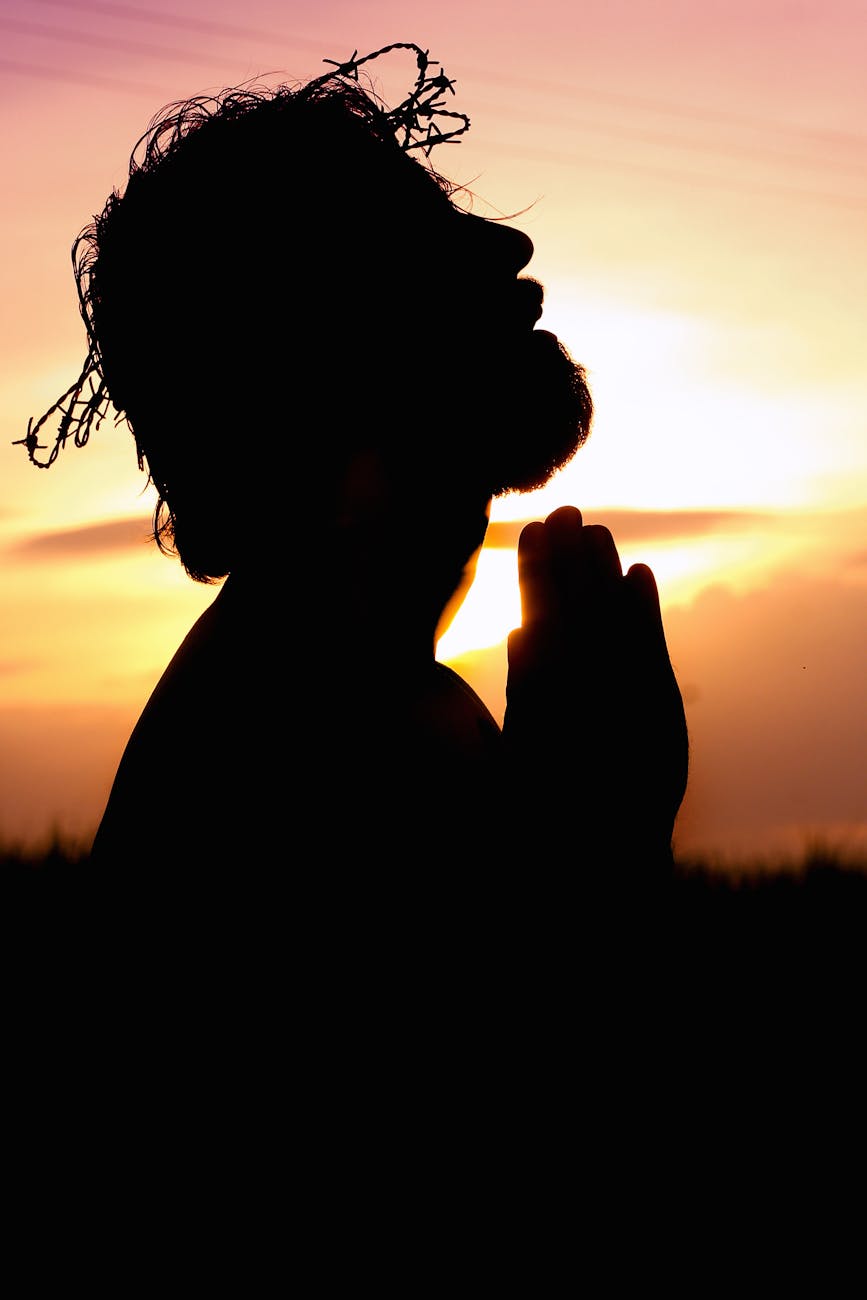
Orphanhood is not a life sentence. In literature and story, orphans are transitional figures. The orphan figure gives us hope. They remind us of the possibility that we can thrive and grow in hopeless and tragic situations. Jean Valjean moves from bitterness and hatred to becoming a respected figure. He contributes to his society. He has empathy and understanding for the `Les Misérables’, those with little power, and the downtrodden. In my next post, I will discuss how we can reclaim our experiences of orphanhood. I will also explore how the orphan journey can strengthen us through their wisdom.

 Foolish Times