

Australia’s iconic Sydney Opera House
One of my earliest childhood recollections is hearing some grownups discussing travel during a family barbecue. One of my aunts had visited Sydney and returned with several mementoes, including photo slides, trinkets and a miniature Sydney Opera house pencil sharpener. I was the awestruck recipient of the Sydney Opera House pencil sharpener. Like a precious jewel or ancient artifact, it was gold- coloured and glistened as I held it up to the sunlight.
An elderly man set down his beer and added, “You see your own country first before travelling overseas,” in a thick, nasal Australian accent. Everyone agreed by nodding. His remarks served as the “last rites” on the subject of international travel. There were entire universes in my head just begging to be explored. His universe was limited to going to the pub. Nobody else at the family gathering dared to depart from the safe and acceptable topics of conversation, which included weather, politics, news, sport and family rumours.
In retrospect, it was simple for me to pass judgement. This generation lived through the Great Depression. Not long after, the Second World War broke out. They had to deal with shortages and lost friends and relatives to war. These were sensible individuals who had cultivated a sense of thrift and valued financial stability. I was uncomfortable with their lack of curiosity and desire to consider alternate ways of understanding the world. I did appreciate hearing tales of the war or wartime escapades; some were humorous, given with a very distinctively Australian, irreverent sense of humour; other tales, however, were tragic, sad or difficult to comprehend. There is something very human within us that yearns to discover or live for a bigger narrative, to be bold and adventurous, or to be willing to give our very self for a greater good.
The beginning of a larger story: the role of organised religion.
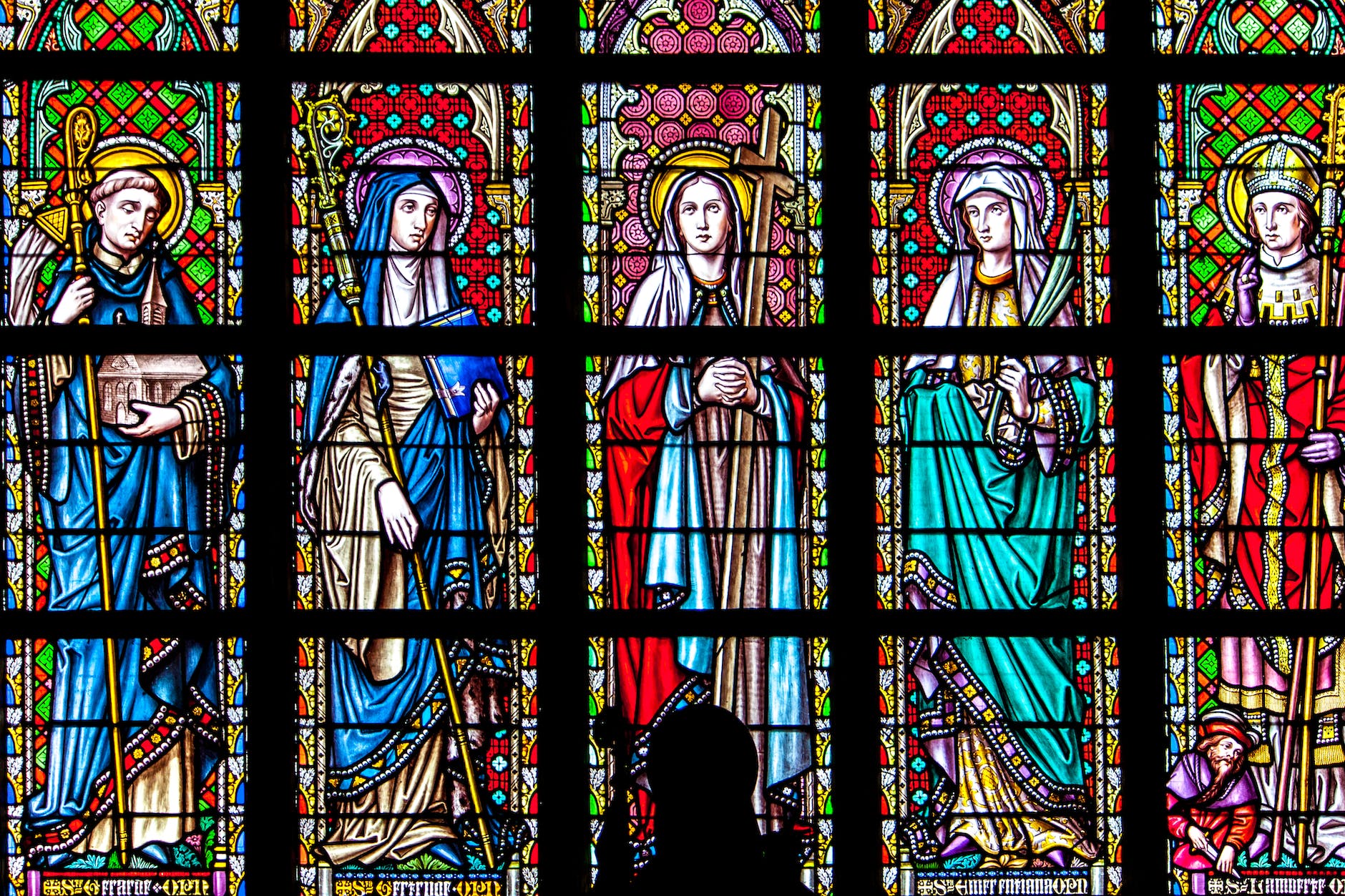
Alternate narratives can be found in the most unexpected locations. I was raised in a Catholic household. Despite the church’s greatest efforts to make faith in God seem uninteresting, there were always some subversive undercurrents that thrived, inspired, and provoked participants within the institution.
The elderly nun who taught us religion one day shared a fascinating tale about Fr. Maximilian Kolbe, a Franciscan priest known as the “saint of Auschwitz death camp,” with us. Franciscan friar Maximilian Kolbe resided in a monastery in Poland. Fr. Kolbe organised a temporary hospital and assisted to offer shelter for 2000 Jewish refugees when the German army invaded Poland in 1939. In the end, the Gestapo detained him for concealing refugees and put him in the Auschwitz concentration camp.
The Auschwitz Deputy Commander issued an order in 1941 to execute ten prisoners in retribution for an attempted escape. One of the men begged for forgiveness since he was a father. The man’s suffering touched Fr Maximilian Kolbe, who offered to step in. The Deputy Commander granted his request, and Fr Maximilian and a few other survivors were ultimately put to death. Some Saints, such as Francis of Assisi and Teresa of Avila, bucked convention and discovered independence inside the established church. They were “Fools for Christ,” living selflessly and bravely for others. These tales had a lasting impact on my life or are still resonating now.
There circumstances where men and women freely and voluntarily sacrifice their life for others in the world today. It takes self-identity to sacrifice out of freedom rather than following some externally imposed view or belief for the sacrifice to have any real meaning. I could not really grasp how to make their example ‘my own’ unless I applied to the priesthood or a religious order. The difference between my everyday existence and the religious ideal was enormous. How was I ever going to close that gap? Feeling disappointed, I gradually turned to another source of “ancient wisdom” – the occult.

 Foolish Times